
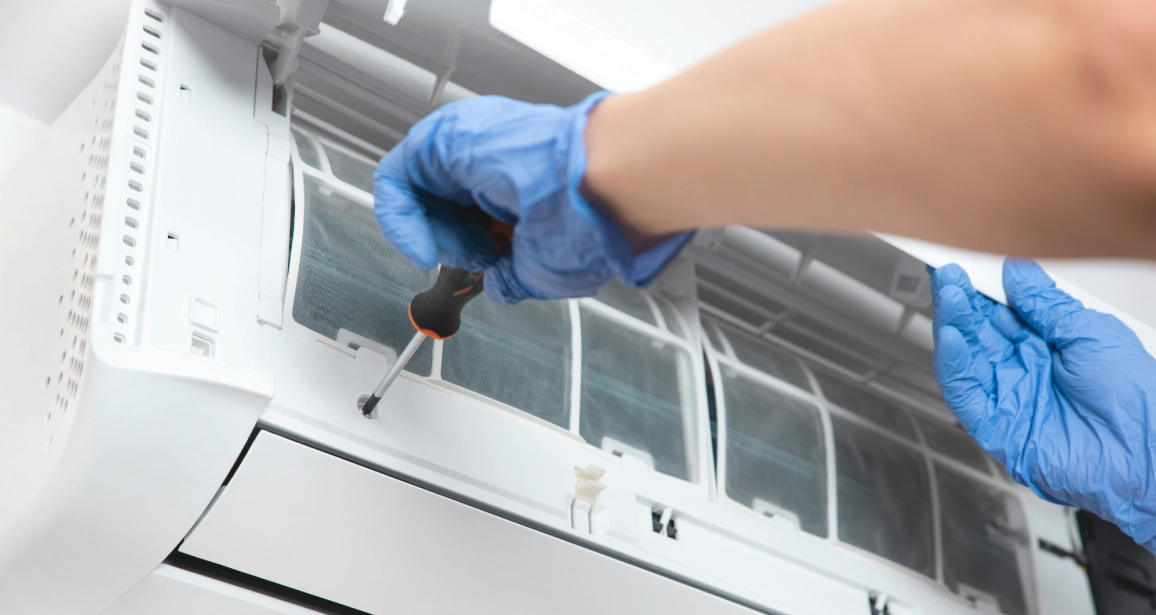
Filter Care Drives Efficiency and Air Quality
Regular filter changes form the foundation of effective cooling equipment care. In San Jose’s climate, where dust and pollen levels fluctuate seasonally, filters trap particles that would otherwise circulate through your living spaces and damage internal components. A clean filter allows air to flow freely, reducing strain on the blower motor and preventing the evaporator coil from freezing. When filters become clogged, your unit works harder to pull air through the system, driving up energy consumption and shortening the lifespan of mechanical parts.
Most residential systems require filter changes every one to three months, depending on household factors. Homes with pets, occupants with allergies, or properties near construction zones benefit from monthly replacements. During San Jose’s dry summer months, airborne particles accumulate faster, making more frequent checks worthwhile. You can inspect your filter by removing the access panel and holding it up to a light source. If light does not pass through easily, the filter needs replacing.
Choosing the right filter matters as much as changing it regularly. MERV ratings indicate filtration efficiency, with higher numbers capturing smaller particles. Standard fiberglass filters (MERV 1-4) provide basic protection, while pleated filters (MERV 8-11) trap allergens and improve indoor air quality without restricting airflow. Avoid selecting filters with MERV ratings above what your system is designed to handle, as excessive resistance can reduce performance. When upgrading filters, confirm compatibility with your unit’s specifications to maintain proper airflow and prevent mechanical stress.
Spring Tune-Ups Prevent Summer Breakdowns
Scheduling seasonal inspections before peak cooling months prevents unexpected breakdowns when you need your system most. In the Bay Area, where summer temperatures can climb into the 90s, a spring tune-up ensures your unit operates efficiently when demand increases. During these visits, trained technicians measure refrigerant levels, test electrical connections, inspect ductwork for leaks, and verify thermostat calibration. Catching minor issues early prevents expensive emergency repairs and extends equipment life by years.
Annual inspections typically include cleaning the evaporator and condenser coils, which collect dirt and debris over time. Dirty coils reduce heat transfer efficiency, forcing your system to run longer cycles to achieve desired temperatures. In San Jose’s environment, outdoor condenser units also accumulate leaves, grass clippings, and dust, restricting airflow and reducing cooling capacity. Technicians clear obstructions, straighten bent fins, and verify proper drainage from the condensate line, preventing water damage and mold growth inside your home.
Professional inspections also identify wear patterns that homeowners cannot easily detect. Technicians listen for unusual sounds, check for refrigerant leaks using specialized equipment, and measure airflow at registers to ensure balanced distribution. They tighten electrical connections that loosen over time due to vibration and thermal cycling, reducing fire risk and preventing component failure. While you can perform basic visual checks yourself, annual visits from qualified HVAC services provide the detailed assessment needed to maintain peak performance and avoid costly breakdowns during the hottest months of the year.
Smart Controls Cut Costs and Boost Comfort
Your thermostat serves as the command center for your cooling system, and proper configuration directly impacts energy costs and comfort. Programmable and smart thermostats allow you to adjust temperatures based on occupancy patterns, reducing runtime when no one is home without sacrificing comfort. In San Jose, where daytime temperatures rise but evenings cool down, scheduling temperature setbacks during unoccupied hours can cut cooling costs by 10 to 15 percent without compromising indoor conditions when you return.
Thermostat placement affects accuracy and system performance. Devices installed near windows, doors, or heat sources receive false temperature readings, causing your unit to overcool or undercool spaces. If your thermostat sits in direct sunlight or near a kitchen, it may trigger excessive cycling or fail to maintain consistent temperatures throughout your home. Relocating thermostats to interior walls away from drafts and heat sources improves accuracy and reduces unnecessary runtime, lowering wear on compressor and fan motors.
Calibration checks ensure your thermostat accurately measures room temperature. Use a separate thermometer placed near the thermostat to compare readings. If the difference exceeds two degrees, recalibration or replacement may be necessary. Dust and debris inside older mechanical thermostats can also affect performance, making annual cleaning worthwhile. Upgrading to a programmable or smart model provides more precise control and remote access, allowing you to adjust settings from your smartphone and receive maintenance reminders. These features help you stay on top of routine tasks while optimizing energy use based on real-time occupancy and weather conditions in the San Jose area.
Seal and Inspect Ducts for Maximum Airflow
Ductwork delivers conditioned air throughout your home, and leaks or obstructions reduce efficiency and comfort. Studies show that typical duct systems lose 20 to 30 percent of cooled air through gaps, holes, and poorly sealed joints. In San Jose homes, where attics can reach extreme temperatures during summer, leaking ducts waste energy by allowing cool air to escape into unconditioned spaces before reaching living areas. Sealing duct connections with mastic or metal tape, and insulating ducts in attics and crawl spaces, recovers lost capacity and lowers operating costs.
Blocked or restricted vents also disrupt airflow balance, creating hot spots in some rooms while overcooling others. Furniture, curtains, and stored items placed too close to supply registers obstruct air delivery, forcing your system to work harder to circulate air. Walk through your home and confirm that all vents remain clear and fully open. Closing vents in unused rooms may seem like a cost-saving measure, but it actually increases pressure in the duct system, reduces overall efficiency, and can damage the blower motor over time.
Professional ductwork cleaning removes accumulated dust, allergens, and debris that restrict airflow and degrade indoor air quality. While cleaning intervals depend on household conditions, most homes benefit from duct services every three to five years, or sooner if occupants experience allergies or notice visible dust around registers. During cleaning, technicians also inspect duct seams and connections for gaps that reduce efficiency. Addressing duct integrity as part of your overall air conditioner services strategy ensures that cooled air reaches its intended destination, maximizing comfort and minimizing energy waste in every room of your San Jose home.
Annual Checkups Extend Equipment Life
Ductwork delivers conditioned air throughout your home, and leaks or obstructions reduce efficiency and comfort. Studies show that typical duct systems lose 20 to 30 percent of cooled air through gaps, holes, and poorly sealed joints. In San Jose homes, especially those with attics that reach extreme temperatures during summer months, unsealed ducts force your system to work harder, driving up energy bills and leaving some rooms uncomfortably warm.
Inspecting ductwork involves checking visible sections for disconnected joints, damaged insulation, and accumulation of dust or debris. Pay attention to rooms that feel warmer than others or register lower airflow from vents, both signs of potential duct issues. While homeowners can visually inspect accessible duct sections, a thorough evaluation requires specialized equipment to measure pressure loss and identify hidden leaks.
Professional duct sealing uses mastic sealant or metal-backed tape to close gaps permanently, unlike standard cloth duct tape that degrades quickly. Ductwork cleaning services remove years of accumulated dust, pollen, and contaminants that restrict airflow and degrade indoor air quality. In homes with pets, older construction, or recent remodeling, duct cleaning becomes especially valuable as these conditions introduce additional particles into the system.
Addressing duct problems delivers measurable returns: sealed ductwork improves system efficiency by 15 to 20 percent on average, translating to lower monthly utility costs and more consistent temperatures across all rooms. Bay Area homeowners who invest in duct services typically notice improved comfort within the first cooling cycle, along with reduced dust accumulation on furniture and surfaces. When combined with regular filter changes and seasonal tune-ups, duct maintenance creates a complete approach to cooling system care that maximizes both performance and longevity.